

- Blog
- 16 Jan 2026

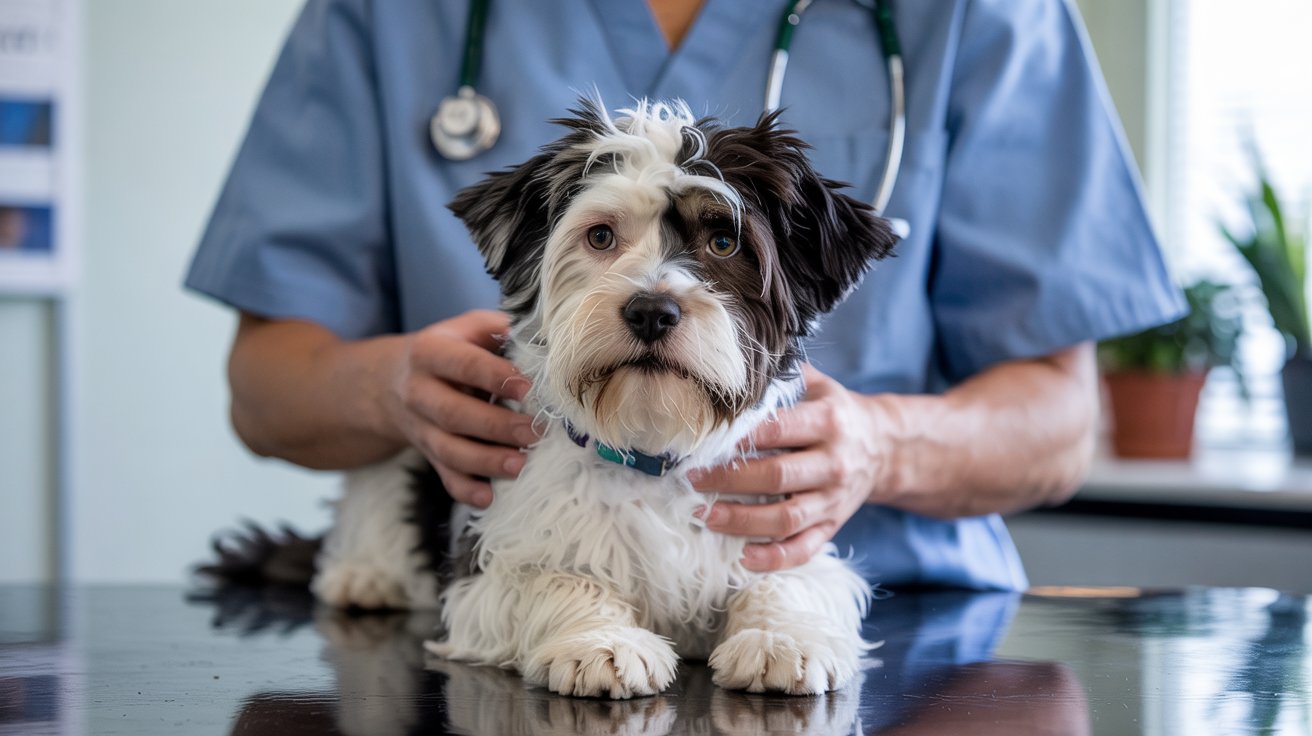
As the temperature rises, summer presents several specific health risks for dogs, particularly heatstroke and dehydration. Since you are managing a small animal practice, these are the key clinical and practical points to keep in mind for summer care:
1. Prevent Heatstroke (Hyperthermia)
Dogs don't sweat like humans; they rely on panting and paws to cool down.
-
The "Pavement Test": If the asphalt is too hot for your hand to hold for 7 seconds, it is too hot for a dog's paws. Burned pads are a common summer injury.
-
Walk Timing: Exercise should be restricted to the early morning or late evening when the sun is low.
-
Never Leave in a Car: Even with windows cracked, a car’s internal temperature can rise to dangerous levels (over 40°C) within minutes.
2. Hydration and Cooling
-
Constant Water Access: Provide multiple water bowls, ideally in shaded areas, and refresh them frequently to keep the water cool.
-
Cooling Mats or Damp Towels: If a dog is panting heavily, letting them lie on a damp towel or a dedicated cooling mat helps lower their core temperature via conduction.
-
Avoid Ice Water for Overheating: If a dog is already showing signs of heat stress, use lukewarm water to cool them down rather than ice-cold water, which can cause peripheral vasoconstriction.
3. Grooming and Skin Protection
-
Don't Shave Double Coats: For breeds like German Shepherds or Labradors, their coat actually acts as insulation against the heat. Shaving them can lead to sunburn and poor temperature regulation.
-
Sunscreen: Dogs with white fur or thin hair (like on the nose and ear tips) can get sunburned. Use pet-safe, zinc-free sunscreen if they spend time outdoors.
4. Parasite Control
Summer is the peak season for many vectors:
-
Ticks and Fleas: Ensure all dogs are on a strict preventative schedule (oral or topical).
-
Heartworm: Mosquitoes are more active in the heat, making heartworm prevention critical.
If a client mentions any of these symptoms, it should be treated as an emergency:
-
Excessive, thick-saliva panting
-
Bright red or purple gums
-
Lethargy or stumbling
-
Vomiting or diarrhea